Leading House Asia Pacific Launch Event
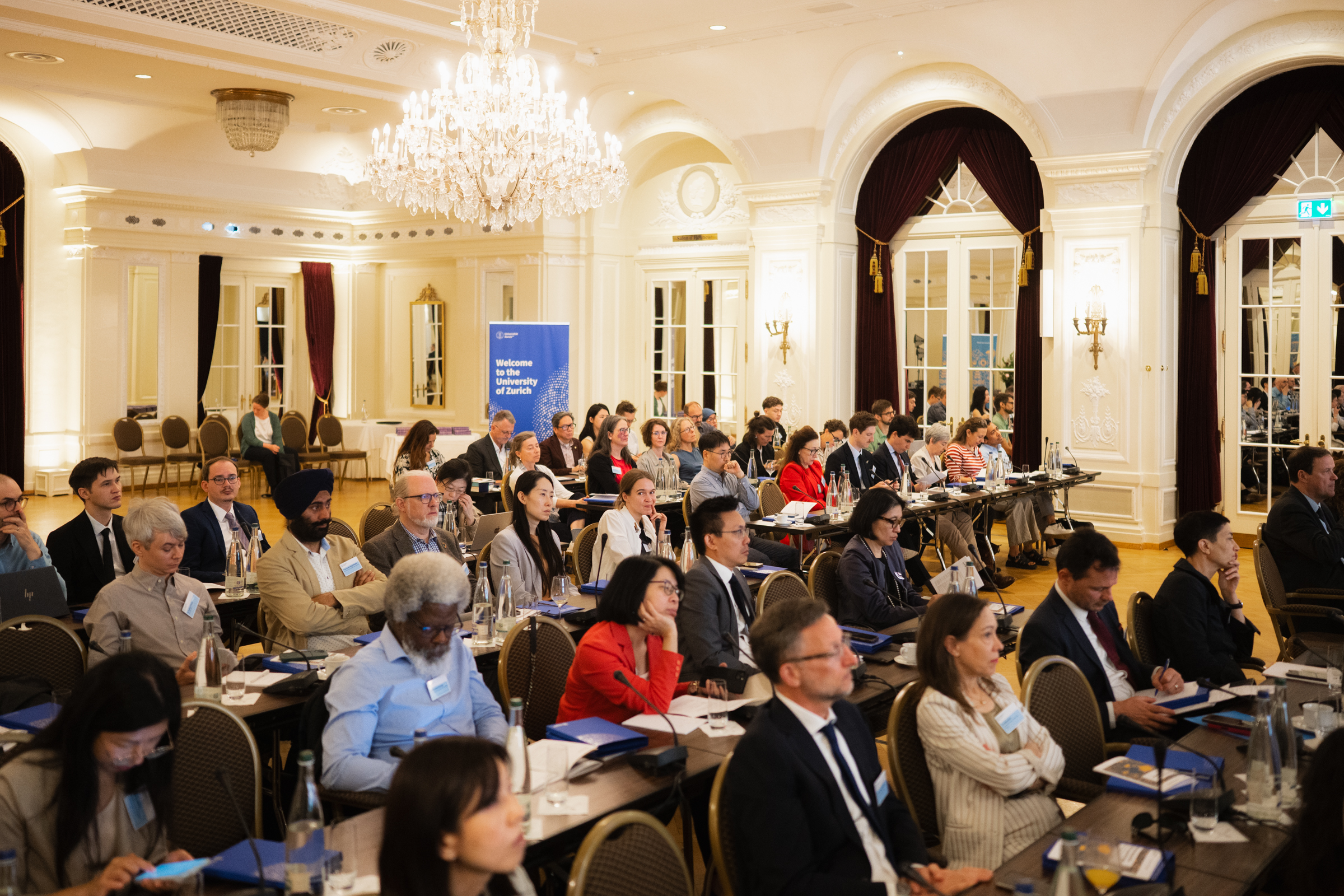
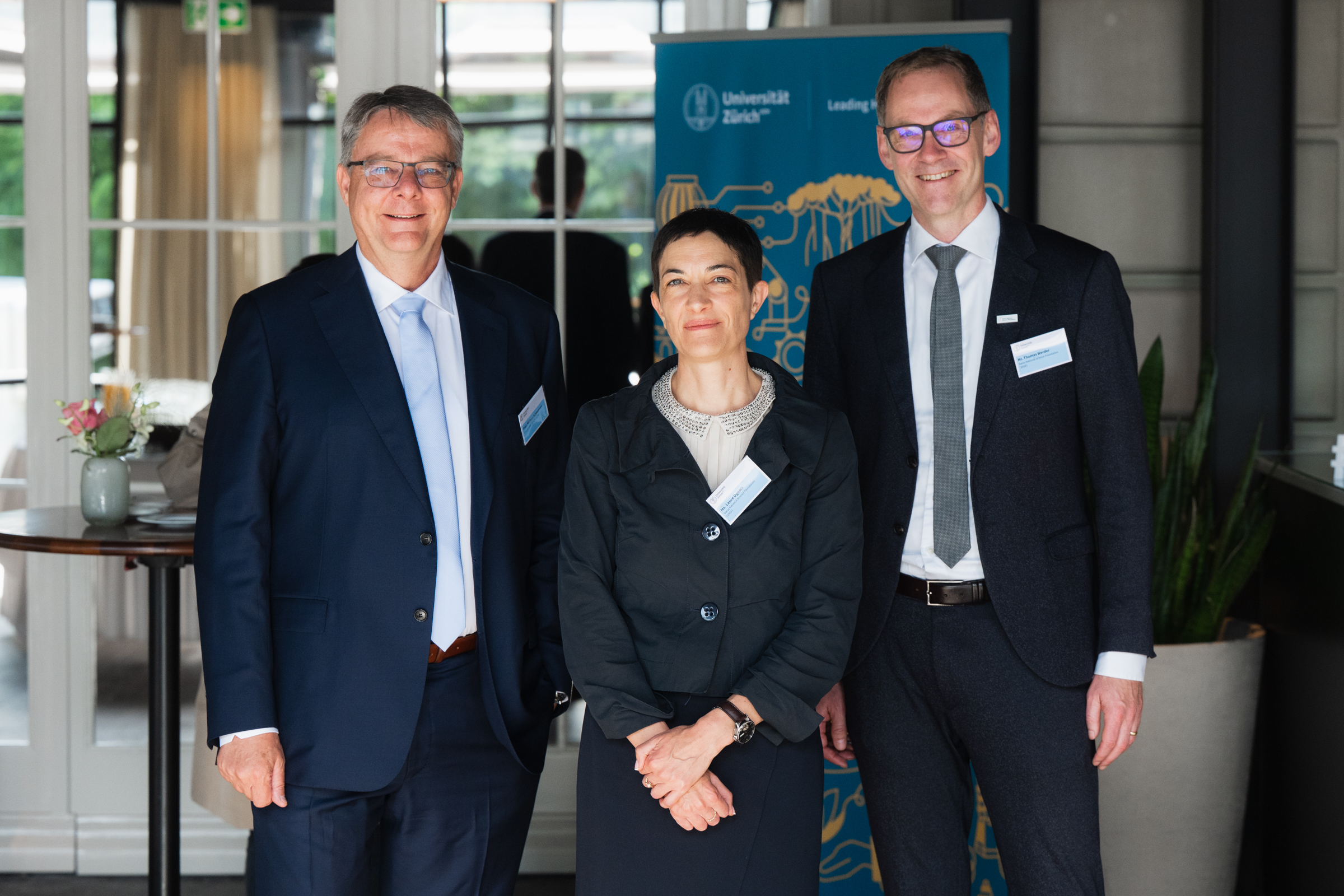
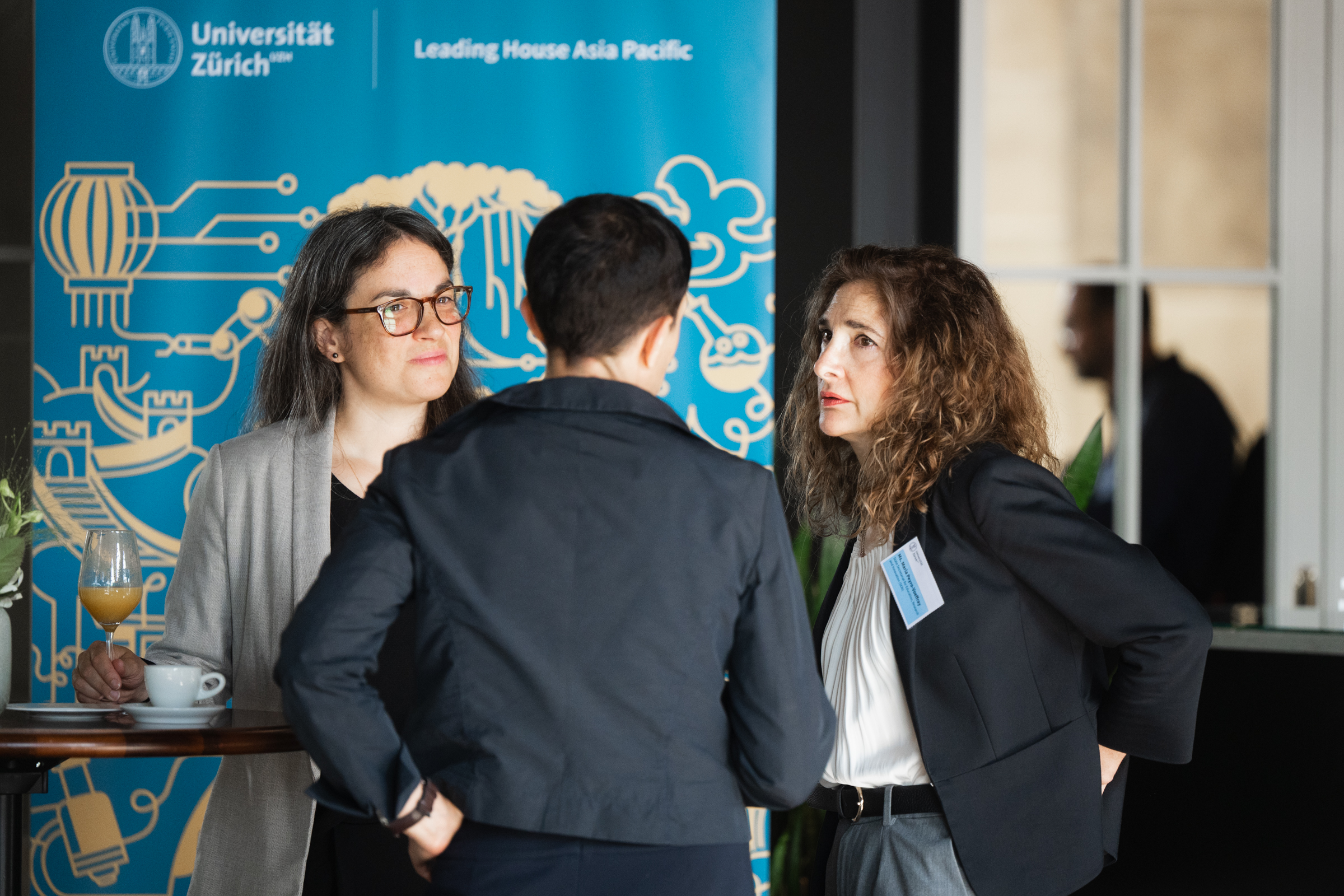
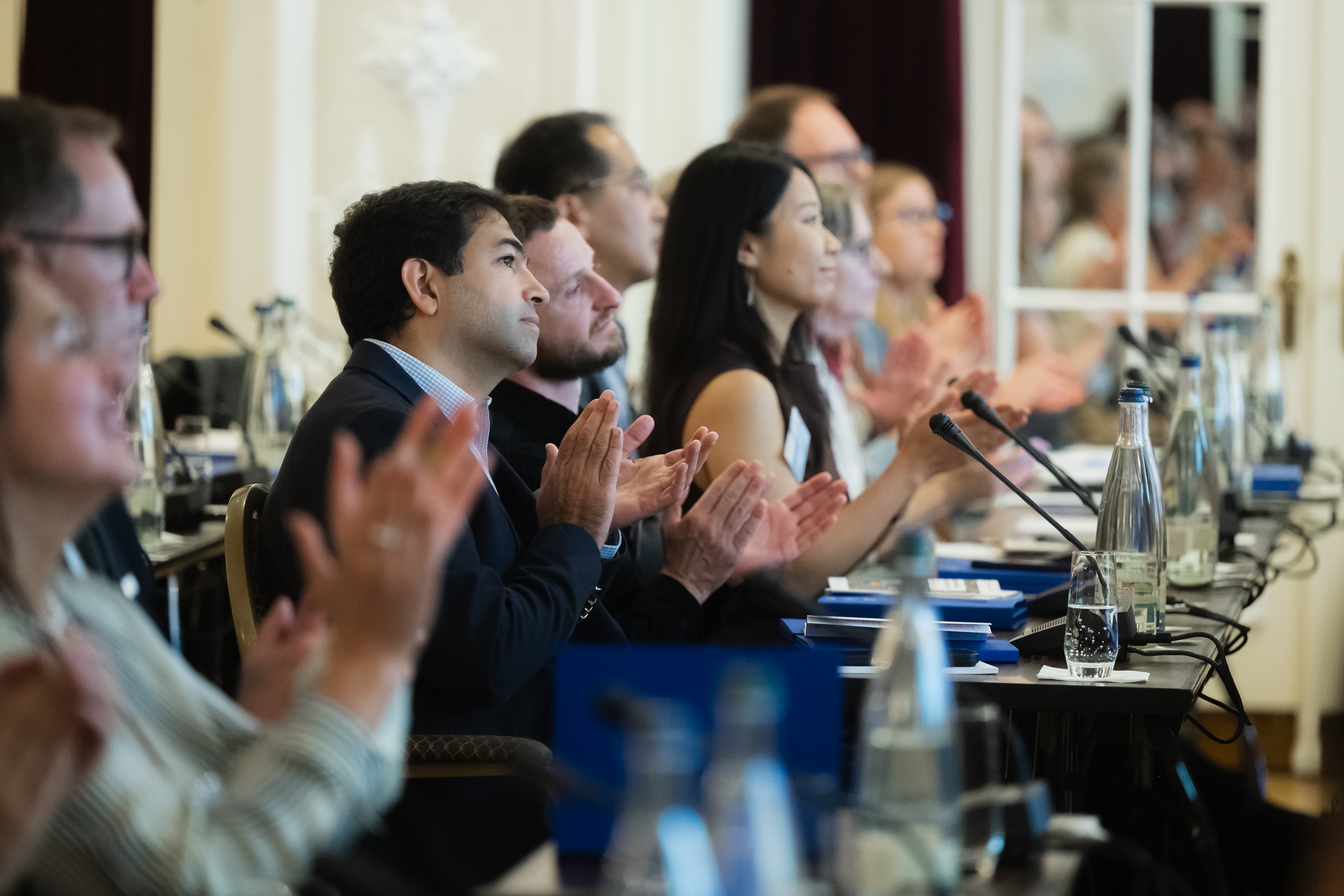
A high-caliber audience from academia, politics, and diplomacy gathered in Bern to mark the launch of the Leading House Asia Pacific, hosted by the University of Zurich (UZH). Held at the Hotel Bellevue Palace, the event highlighted Switzerland’s growing collaboration with the region and showcased funding opportunities aimed at strengthening research, education, and innovation partnerships.
As one of the world’s most dynamic research and innovation hubs, the Asia-Pacific region plays an increasingly central role in global science and innovation. It accounts for around 41% of high-impact scientific output among the world’s leading research countries and is home to more than half of the world’s top 100 universities and research institutions.
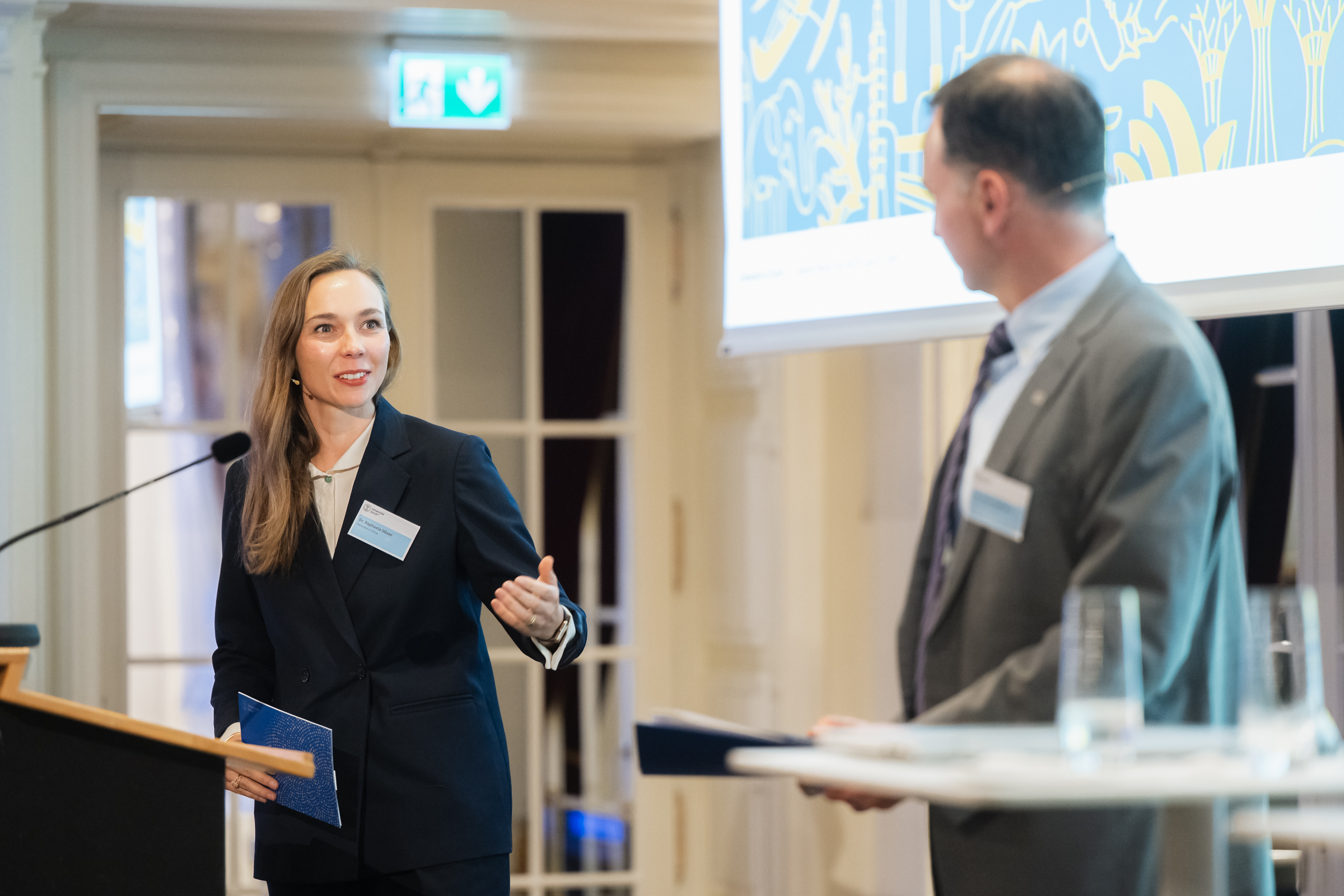
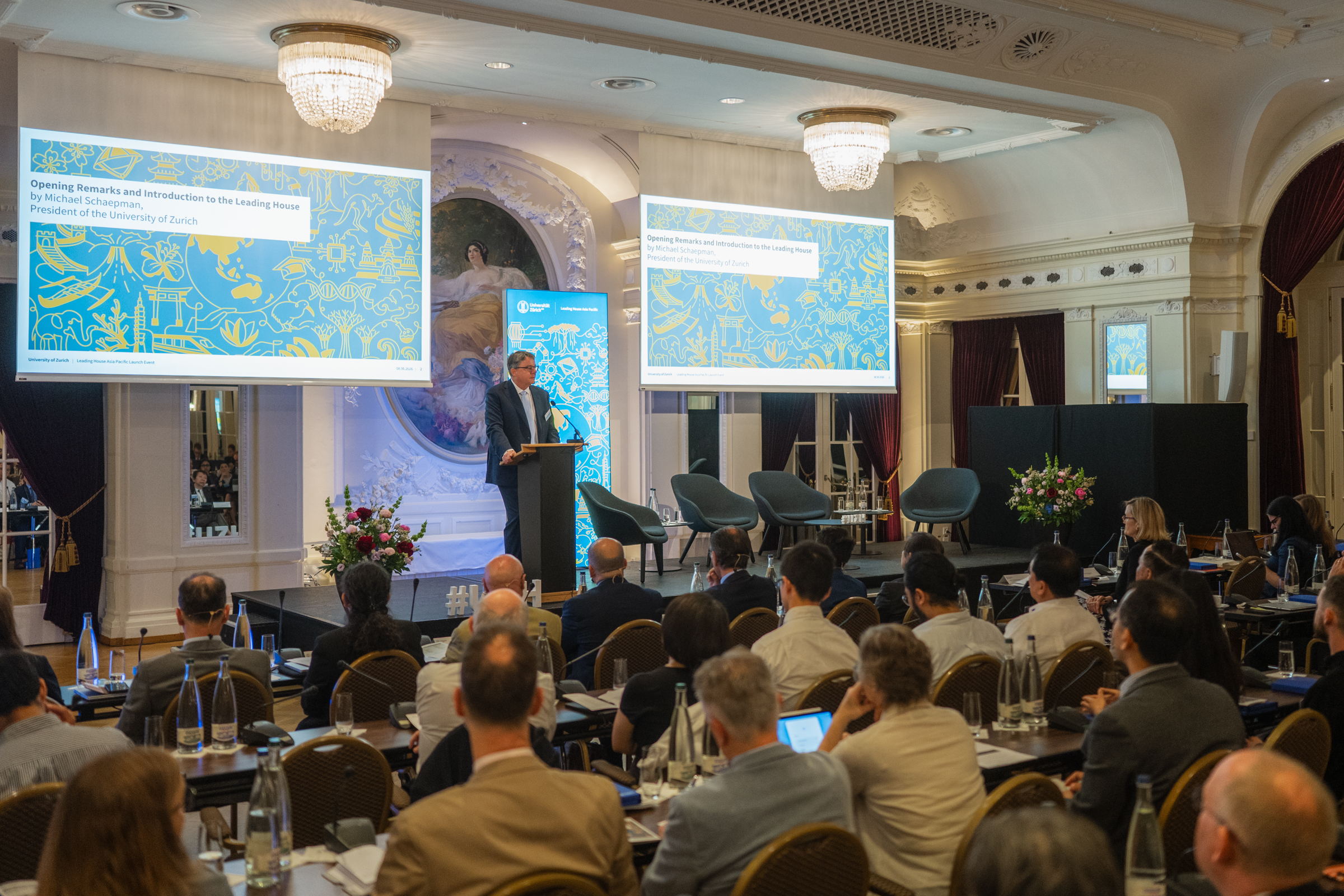
In his opening remarks for the event, UZH President Michael Schaepman underlined the strategic role of international collaboration and the Leading House mandate: “Today’s meeting celebrates international collaboration, academic excellence, and new research frontiers that we can only explore together.” He highlighted that the Leading House offers a unique opportunity to strengthen partnerships between Switzerland and the Asia-Pacific region, and emphasised the importance of adapting to shifting global centres of scientific excellence. He noted that investment in the Leading House Asia Pacific will “boost scientific excellence and scientific cooperation,” enabling partners “to jointly pursue an excellence strategy.” He further stressed the strong interest in the initiative, pointing to the high number of project proposals received in the first call.
Looking ahead, Schaepman framed the initiative as a platform for long-term engagement, emphasising the importance of connections across the region. He concluded by underscoring the core objective of the mandate: “Enabling collaboration and dialogue at equal terms and on par, where partners learn from one another and shape scientific ideas together.”
Global perspectives on the Asia-Pacific
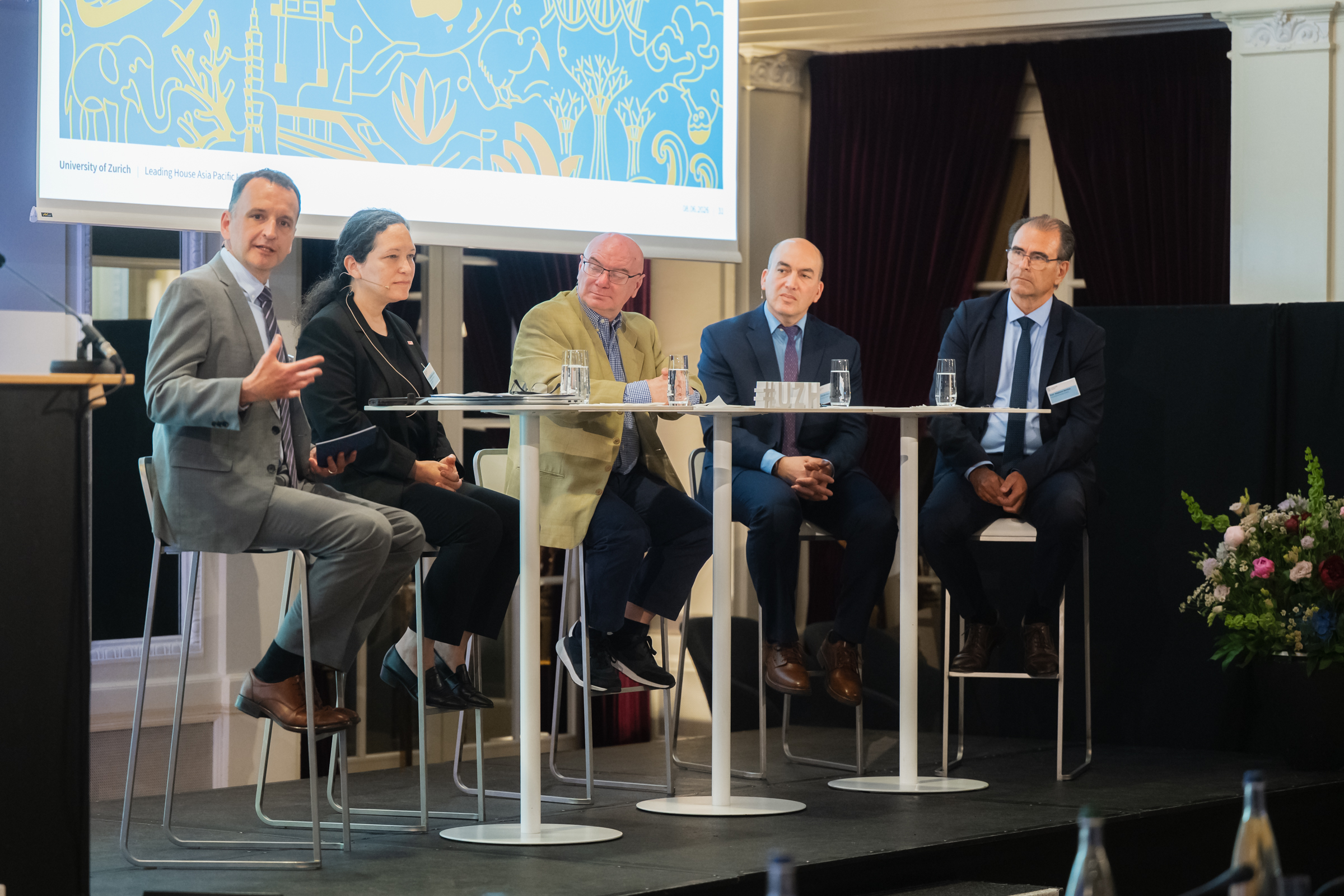
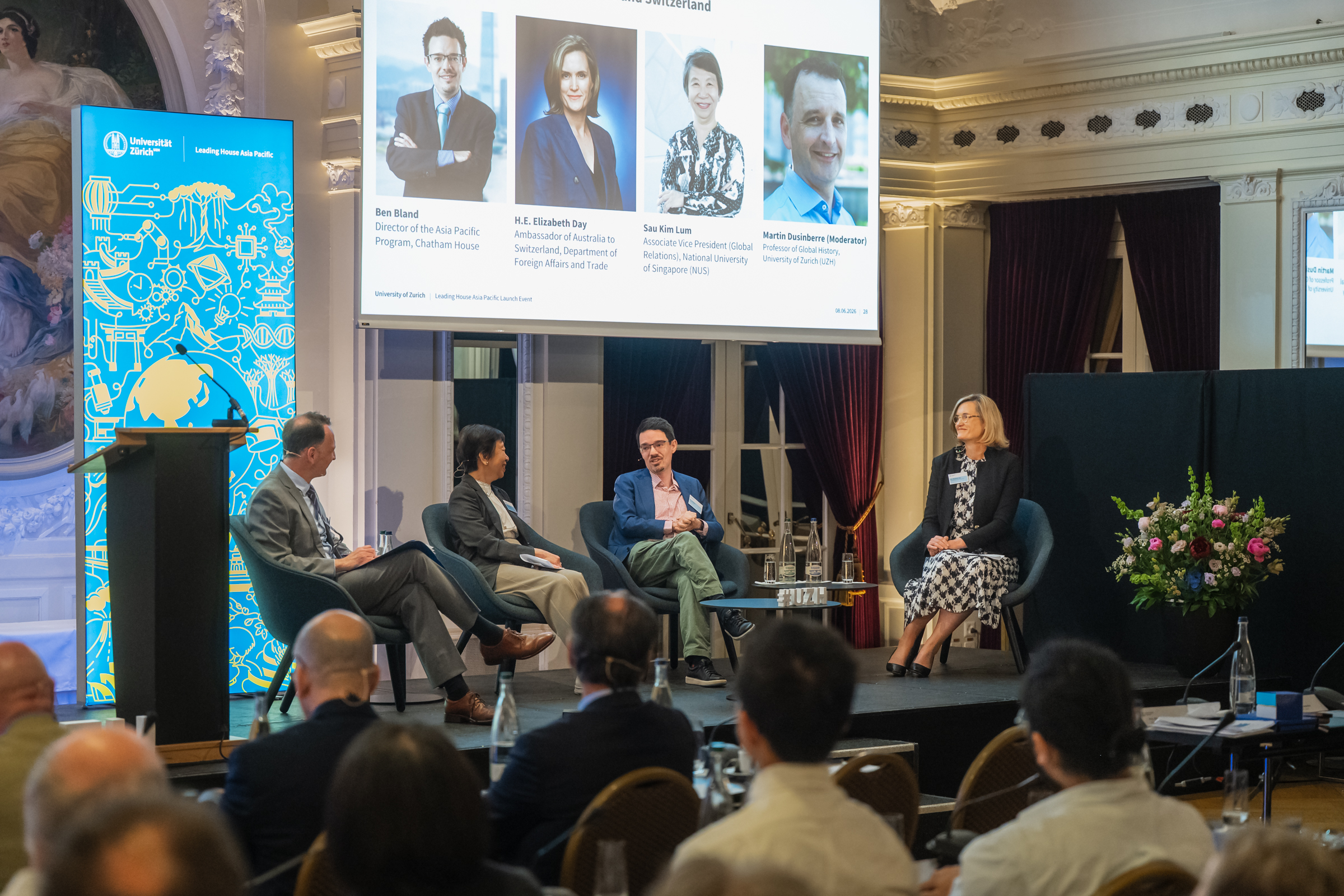
The program featured two interactive formats: a panel discussion and an interactive dialogue. The panel discussion, titled “The Asia-Pacific: The Region, the Future, and Switzerland,” brought together Ben Bland (Chatham House), Australian Ambassador Elizabeth Day, and Prof. Sau Kim Lum (National University of Singapore), and was moderated by UZH historian Prof. Martin Dusinberre. The discussion highlighted the region’s growing geopolitical and economic significance, including its role in shaping global debates on issues such as AI governance and research security. Panelists also discussed the complex geopolitical dynamics in the region, noting that though these do indeed pose challenges they also create new opportunities for cooperation between Switzerland and Asia-Pacific partners.
A recurring theme of the panel was the importance of engaging with the region comprehensively—through research conducted in, from, and on the Asia-Pacific—if Switzerland is to remain a relevant and credible partner in global research and innovation.
This was followed by an interactive dialogue titled “Unlocking Research Potential: Case Studies and Questions,” featuring Prof. Rizlan Bernier-Latmani (EPFL), Prof. Stéphane Berthet (University of Geneva), Prof. Fabio Crestani (USI), and Prof. Micah Murray (University of Lausanne). Drawing on concrete collaboration examples—from Vietnam and Japan to Korea and Malaysia, all mandated countries of the Leading House—the speakers highlighted the importance of personal networks, mobility of early-career researchers, and institutional support structures, including platforms such as Swissnex. A key takeaway was the shift from bilateral to increasingly multilateral collaboration formats as a driver of more impactful and sustainable research partnerships—an approach also reflected in the design of the first Leading House Asia Pacific funding call.
Strong demand for first funding call
The call attracted over 200 applications, with approximately 40 projects selected across four funding instruments. Proposals were submitted by researchers from across all types of Swiss higher education and research institutions, spanning all language regions and covering a wide range of thematic areas—from advanced materials and manufacturing to sustainability, biodiversity and environment, as well as education and the social sciences. A particularly high number of applications involved partners in Australia, which was only recently added to the mandate when UZH assumed the Leading House from ETH and expanded its geographical scope from “Asia” to “Asia-Pacific.” The strong demand from Australian as well as New Zealand partners underscores the relevance of this strategic expansion.
Closing reflections: Looking to the future
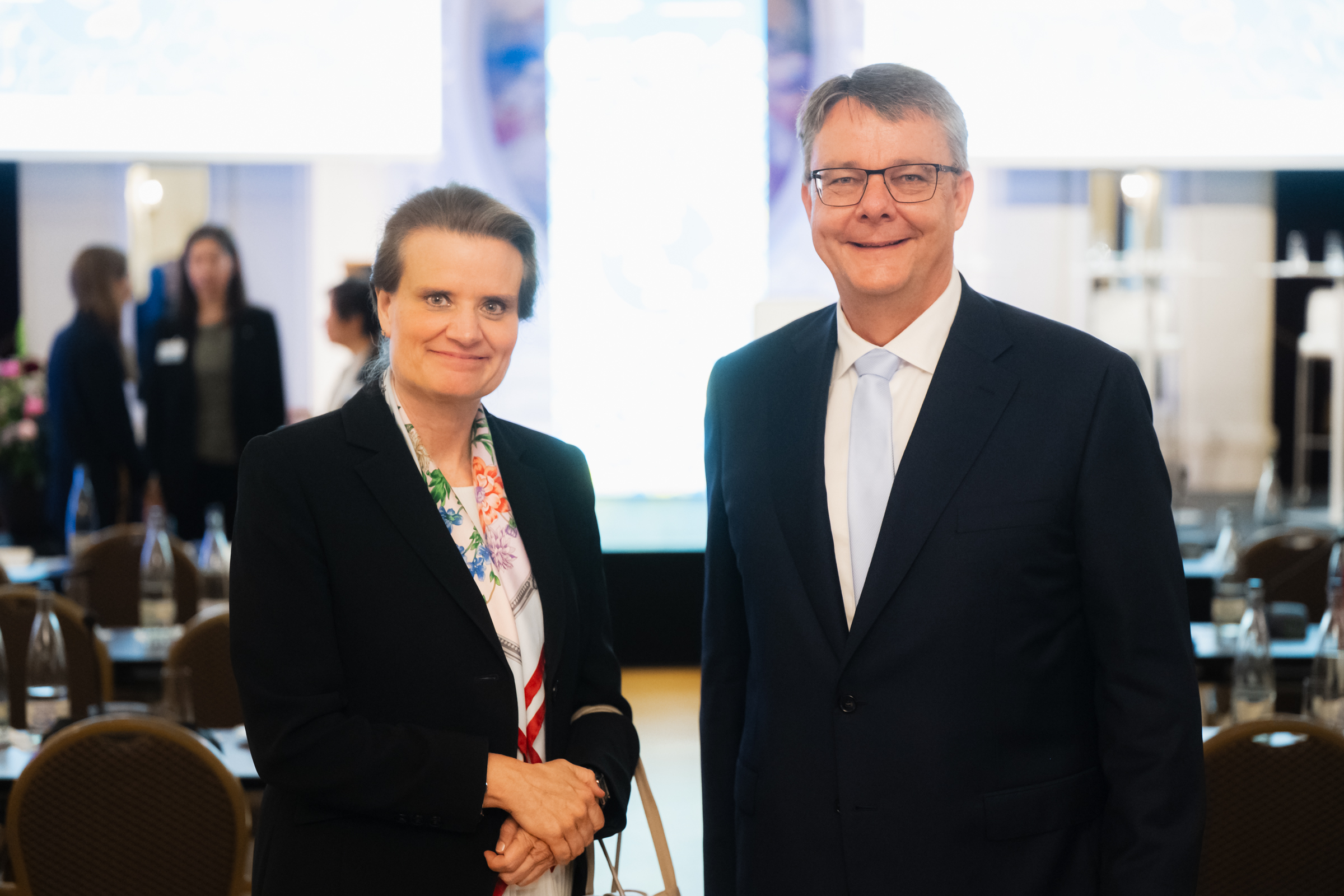
In her closing remarks, State Secretary Martina Hirayama emphasized the importance of sustained international engagement, highlighting the role of initiatives like the Leading Houses in strengthening Switzerland’s global research and innovation partnerships: "These instruments are intentionally small in scale, but their impact is anything but small. They allow researchers, especially early‑career scholars across all disciplines, to take their first steps in building international partnerships. They create space for experimentation, for new ideas, and for the kind of academic risk-taking that often leads to long-term cooperation."