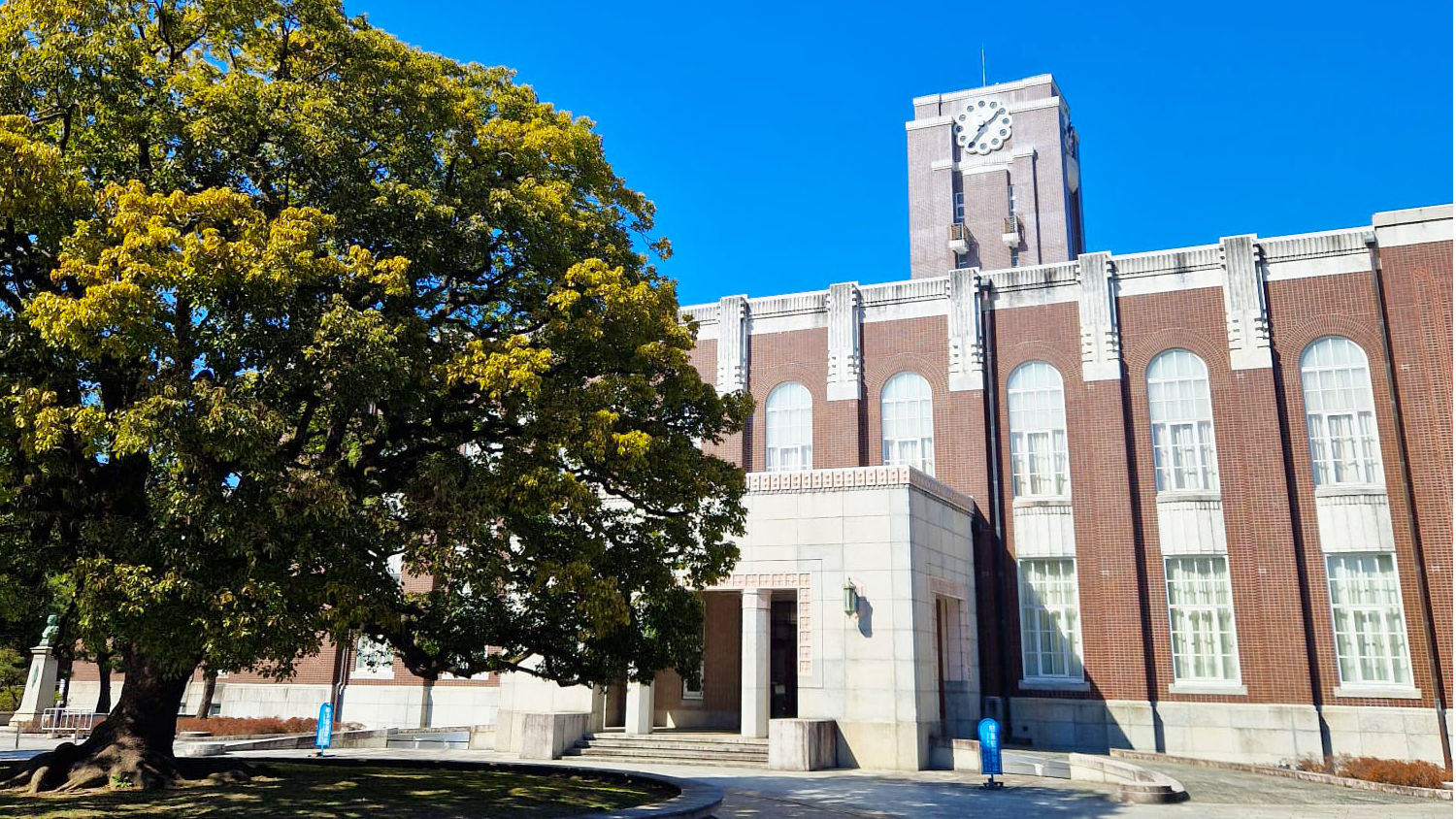
UZH and Kyoto University Establish a New Joint Laboratory
A long-standing collaboration in regenerative medicine between the University of Zurich (UZH) and Kyoto University is entering a new phase. The establishment of a joint on-site laboratory spanning Zurich and Kyoto marks an important step towards closer scientific integration, fostering interdisciplinary innovation, international exchange, and the scientific and personal development of the next generation of researchers.

Building on the strategic partnership between UZH and Kyoto University, researchers at the two institutions have steadily expanded their collaboration in regenerative medicine. What began with a meeting between researchers in Zurich and Kyoto in 2017 has grown into a sustained scientific partnership.
Over the past nine years, the Institute for Regenerative Medicine (IREM) at the University of Zurich (UZH) and the Center for iPS Cell Research and Application (CiRA) at Kyoto University have collaborated through joint research, scientific publications and international events.
Now, the two institutions are taking the next step. In September 2026, Kyoto University approved the establishment of the Kyoto University–University of Zurich Next-Generation Medicine Laboratory, a cross-bound on-site laboratory jointly represented by CiRA and IREM. Operating in both Kyoto and Zurich from October 2026, the new laboratory creates a shared framework for collaboration across the two universities.
From scientific exchange to a shared research environment
The new laboratory reflects how the partnership between UZH and Kyoto University has evolved over time. Rather than bringing researchers together primarily through individual projects or research visits, the new structure will allow teams in Switzerland and Japan to collaborate within a more closely connected research environment.
The scientific program brings together complementary expertise at the two institutions. CiRA contributes its strengths in induced pluripotent stem (iPS) cell technology, disease modeling, drug screening, and genome editing, while IREM brings expertise in tissue engineering, gene and cell therapy, bioentrepreneurship, and translational regenerative medicine.
Initial projects will explore areas including designer cells for tissue-engineered cardiovascular matrices, exosome-integrated 3D-bioprinted scaffolds for regenerative therapies, and iPS cell-based disease modeling. Together, these approaches contribute to the laboratory's broader goal of advancing next-generation cell and gene therapies.
Building on a strong UZH-Kyoto partnership
For CiRA and IREM, the establishment of the new laboratory marks both a milestone and a beginning. It builds on nearly a decade of scientific exchange and trust while creating a more permanent structure through which researchers in Zurich and Kyoto can work together. The initiative also complements i2PARADIGM, a recently established global research network in which CiRA and IREM collaborate with partner institutions in several countries.
Looking ahead, joint projects and researcher exchanges are also expected to lay the groundwork for future Swiss, Japanese, and international funding initiatives, particularly those supporting collaborative research and the development of early-career scientists.